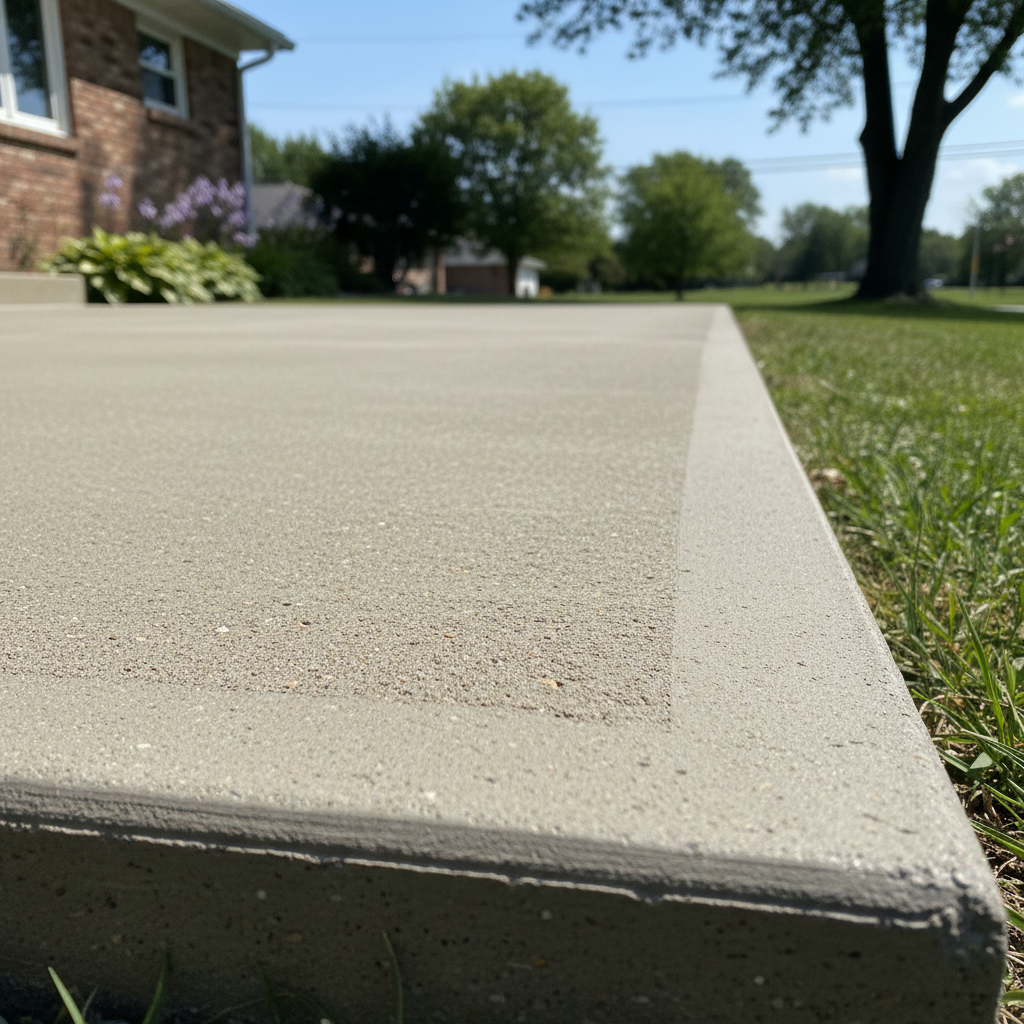
Alright, let's talk concrete patios. I get a lot of questions from folks around Elgin, from the older homes near downtown to the newer builds out by Randall Road, about what goes into a good concrete patio. It's a big investment, and you want it done right. So, I've put together answers to the most common stuff I hear. No fluff, just what you need to know.
How much does a concrete patio cost in Elgin?
This is always the first question, and it's tough to give a single number because every job's different. Generally, you're looking at anywhere from $8 to $20 per square foot, and sometimes more for really intricate stamped or decorative work. That price includes everything: excavation, materials, labor, and finishing. What drives the cost up? Things like the size and shape of the patio – a simple square is cheaper than a complex, curved design. Access to the backyard is a big one; if we can't get equipment back there easily, it means more manual labor, which costs more. Then there's the finish: plain broom finish is the most economical. Stamped concrete, exposed aggregate, or colored concrete will increase the price significantly because they require more skill, time, and specialized materials. Don't just go for the cheapest bid; ask what's included. A super low price often means corners are being cut, and you'll pay for it later.
How long does a concrete patio last?
A well-installed concrete patio, properly maintained, should easily last 20 to 30 years, if not longer. I've seen patios in Elgin that are 40 years old and still doing their job. The key here is 'well-installed' and 'properly maintained.' That means good sub-base prep – getting the ground stable and draining right is crucial. It means using the correct concrete mix for our Illinois climate, which has those brutal freeze-thaw cycles. And it means proper curing. Maintenance? Keep it clean, seal it every few years, and don't let heavy loads sit on it without protection. Neglect it, and you'll see issues much sooner.
Will my concrete patio crack?
Look, concrete cracks. It's a fact of life, especially here in Illinois where the ground moves with the seasons and we get those big temperature swings. The goal isn't to prevent all cracks – that's impossible – but to control where they happen. We do this with control joints, which are those lines you see cut into the concrete. These joints create weak points, encouraging any cracking to occur along those lines, keeping it neat and less noticeable. If you see a hairline crack running through the middle of a slab, outside a control joint, that's often due to stress, improper curing, or a weak spot in the sub-base. It's usually not a structural issue unless it's wide, uneven, or growing rapidly. A good contractor knows how to lay out those control joints correctly for our specific conditions.
What's the deal with sealing a concrete patio? Do I really need to do it?
Yes, you absolutely should seal your concrete patio, especially here in Elgin. Think of it like sunscreen for your skin or a topcoat for your car's paint. A good quality sealer protects the concrete from moisture penetration, which is huge for preventing freeze-thaw damage in winter. It also guards against stains from spills, oil, leaves, and general grime. Plus, it can enhance the color and give it a nice finish. I usually recommend sealing a new patio about 30 days after it's poured, once it's fully cured, and then every 2-3 years after that. It's a relatively easy DIY job if you're comfortable, or you can have us do it. It's a small investment that pays off big time in extending your patio's life and keeping it looking good.
Can I pour a new concrete patio over an old, cracked one?
Short answer: I almost never recommend it. While it might seem like a shortcut, pouring new concrete directly over an old, cracked, or uneven patio is usually asking for trouble. The old patio's problems – the cracks, the settling, the poor drainage – will almost certainly telegraph through to the new layer. You'll end up with cracks in your new patio mirroring the old ones, and potentially an unstable surface. The only time this might even be considered is if the old patio is incredibly stable, has no significant cracks or movement, and is just a little worn on the surface. Even then, you're adding weight and potentially creating drainage issues around your house's foundation. My advice? Bite the bullet, remove the old patio, and start fresh with proper sub-base preparation. It's more work upfront, but it'll save you headaches and money down the road.
What kind of drainage should I plan for around my patio?
Drainage is critical. You don't want water pooling on your patio, and you definitely don't want it running towards your house's foundation. A good concrete patio should always be sloped slightly away from your home, typically at a rate of about 1/4 inch per foot. So, if your patio extends 10 feet out from your house, the far edge should be 2.5 inches lower than the edge closest to your foundation. This ensures water runs off naturally. Sometimes, if the yard slopes a certain way, we might need to incorporate a trench drain or channel drain along an edge to collect water and direct it away. We always assess the existing grade and soil conditions – like the clay soils we often find around here in Elgin – to make sure the water is going where it should. Don't overlook this; bad drainage can lead to structural problems for your home and a perpetually wet, slippery patio.
Hopefully, these answers clear up some of your questions. A concrete patio is a fantastic addition to any home, providing years of enjoyment. Just make sure you're working with someone who knows what they're doing and isn't cutting corners. If you've got more questions or want to talk about your specific project, give us a call at Elgin Concrete Works. We're always happy to chat.