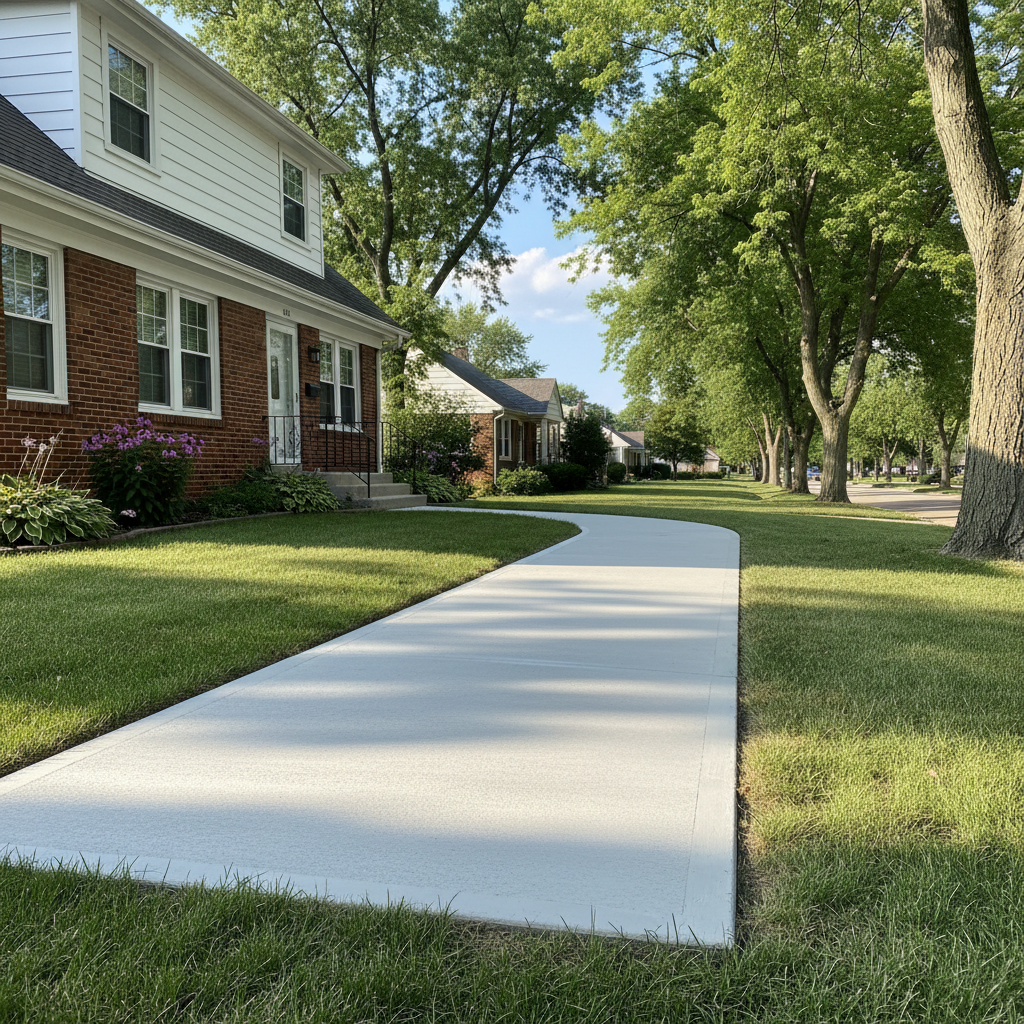
Your concrete sidewalks really take a beating, don't they? Think about it: all that foot traffic, bikes, kids playing, and then there's the Illinois weather. Those freeze-thaw cycles we get here in Elgin, especially in areas with older homes like the Bluff City neighborhood, are just brutal on concrete. It's not just about how things look, either; a well-kept sidewalk is safer, lasts longer, and definitely boosts your home's curb appeal. You've already put money into those sidewalks, so let's chat about how to protect that investment.
Extending Your Sidewalk's Lifespan: It's All About Protection
The biggest thing you can do to make your concrete last is to protect it from the elements and heavy abuse. Here’s what I always tell folks:
- Seal it right: If your sidewalk is new, or if it's been a while since it was last done, get it sealed. A good quality penetrating sealer creates a barrier against water, de-icing salts, and oil stains. Think of it like sunscreen for your concrete, you know? You should plan on resealing every 2-3 years, depending on the sealer type and how much punishment it takes. This is super important with our harsh winters; water seeping into cracks and then freezing is the number one enemy of concrete around here.
- Watch the weight: Don't park heavy vehicles on your sidewalk. It might seem obvious, but I've seen it happen more times than I can count. Concrete is strong, sure, but it's designed for people walking on it, not a full-size pickup truck.
- Mind the roots: Tree roots can cause some real headaches. If you've got mature trees near your sidewalk, keep a close eye on them. Roots can lift and crack slabs from underneath. Sometimes, you've got to make tough choices about where you plant trees or install root barriers if you want to save your concrete.
Regular Maintenance: Simple Steps for Lasting Concrete
You don't need to be a concrete expert to keep your sidewalks in good shape. A little regular attention goes a long, long way.
- Keep it clean: Sweep off dirt, leaves, and other junk regularly. Organic matter can hold moisture against the concrete, which encourages mold and mildew growth, and can even contribute to staining. A simple hose down with water and a stiff brush works wonders. For tougher stains, a mild detergent and some scrubbing can help. Just stay away from harsh chemicals that might damage the sealer or the concrete itself.
- Deal with spills immediately: Oil, grease, paint – if it spills, clean it up as fast as you possibly can. The longer it sits, the deeper it gets into the concrete, and the harder it is to remove. Kitty litter or other absorbent materials can soak up fresh spills, then you can scrub and rinse.
- Be smart about de-icers: This is a big one for us here in Illinois, isn't it? Avoid de-icing salts that contain ammonium sulfate or ammonium nitrate. These can actually chemically attack and damage concrete, even sealed concrete. Look for de-icers that are concrete-safe, typically those with calcium chloride or magnesium chloride. Better yet, shovel early and often, and use sand for traction when you can.
Warning Signs: When to Pay Closer Attention
Your sidewalk will actually tell you when it's having problems, if you know what to look for. Don't ignore these signals:
- Cracks: Hairline cracks are pretty normal over time, especially in older concrete. But if you see cracks widening, or if they're more than a quarter-inch wide, that's a red flag. Cracks that spiderweb or form a pattern often point to a bigger issue underneath, like settlement.
- Spalling or flaking: This is when the surface of the concrete starts to chip, peel, or flake off. It's often caused by repeated freeze-thaw cycles, especially if the concrete wasn't properly sealed or if harsh de-icers were used. It can also happen if the concrete mix wasn't quite right to begin with.
- Uneven slabs: If one section of your sidewalk is higher or lower than the one next to it, that's a trip hazard. It usually means the ground underneath has settled or shifted, or tree roots are pushing it up.
- Pitting: Small holes or craters on the surface. This can be due to poor quality aggregate in the concrete mix, or again, the freeze-thaw cycle causing small pieces to pop out.
- Drainage issues: If water pools on your sidewalk after a rain, it's not draining properly. This standing water can seep into cracks, speed up deterioration, and create slippery spots.
When to Call a Professional: Don't DIY Everything
Look, I'm all for homeowners tackling projects, but some things are just best left to the pros. When you see those warning signs, especially the bigger ones, it's definitely time to call someone like us at Elgin Concrete Works.
- Significant cracking or spalling: If you've got widespread damage, patching might be a temporary fix, but it often doesn't address the real cause. A professional can assess how bad the damage is and recommend the best course of action, whether that's repair, resurfacing, or replacement.
- Uneven slabs creating trip hazards: This isn't just an eyesore; it's a liability, plain and simple. We can often lift and level slabs using techniques like mudjacking or polyjacking, which is a lot less disruptive and expensive than a full replacement.
- Drainage problems impacting your home: If your sidewalk issues are causing water to pool near your foundation, that's a serious problem. A concrete contractor can help you figure out the right grading and drainage solutions.
- You're just not sure: If you're looking at your sidewalk and thinking, “Is this normal? Is this bad?” just give us a call. We're happy to come take a look and give you an honest opinion. Sometimes it's nothing, sometimes it's a small fix before it becomes a big one. We've seen it all, from minor wear to sidewalks that look like a roller coaster.
Taking care of your concrete sidewalks isn't rocket science, but it does require a little attention. A well-maintained sidewalk not only looks better but also keeps your family and visitors safe. Don't wait until a small crack becomes a major headache. Stay proactive, and your concrete will serve you well for decades.