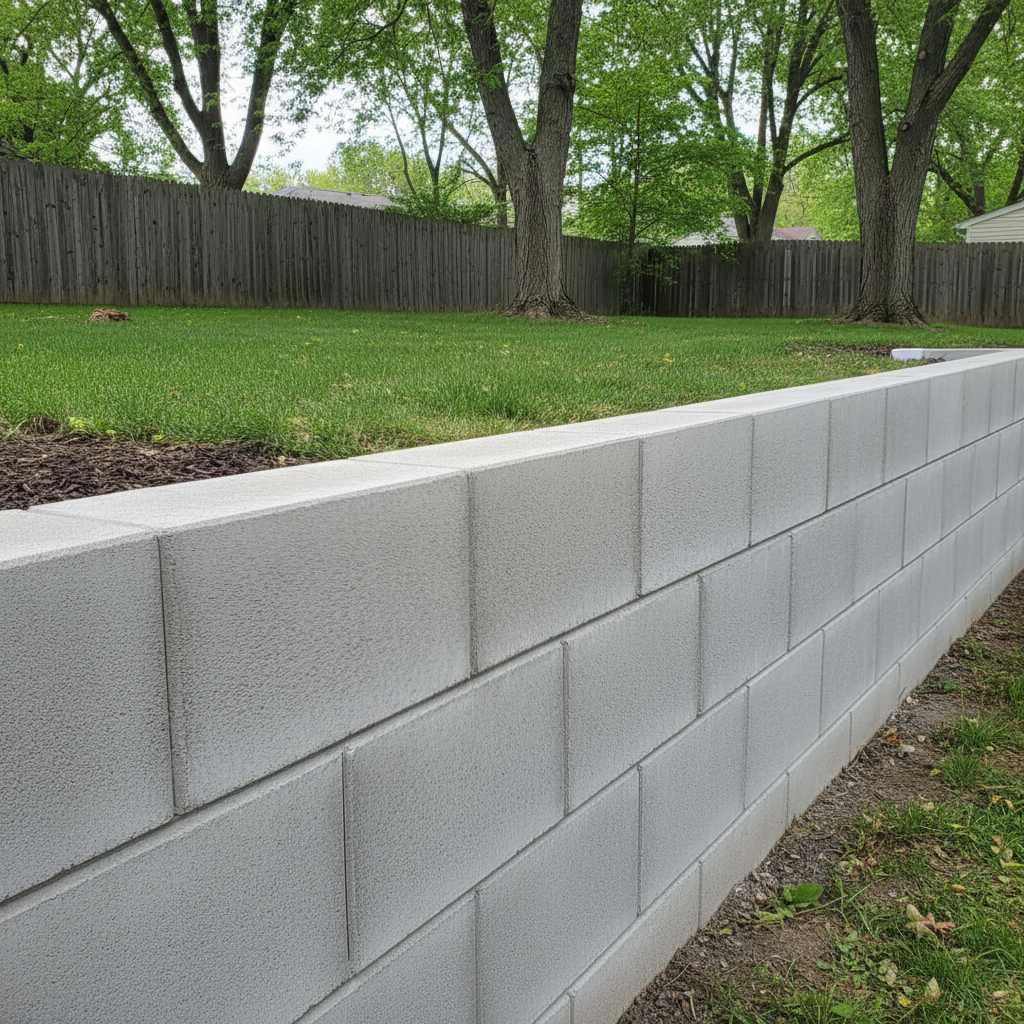
Alright, let's talk retaining walls. I get a lot of questions about these, and for good reason. They're a big investment and a critical part of managing your yard, especially if you've got a slope or need to create usable space. As a contractor right here in Elgin, I've seen all sorts of situations, from the old Victorian homes near the river to the newer builds out west. So, I'm going to hit you with the most common questions I hear and give you the straight scoop.
What's the real purpose of a retaining wall?
Look, a retaining wall isn't just for looks, though a well-built one certainly adds curb appeal. Its primary job is to hold back soil. If you've got a sloped yard, a retaining wall prevents erosion, creates level areas for patios or gardens, and can even protect your home's foundation from shifting soil or water runoff. In areas like the Bluff City neighborhood, where you've got some serious elevation changes, a good retaining wall isn't just a luxury, it's a necessity to keep things stable and dry.
How much does a concrete retaining wall cost?
This is always the first question, and it's tough to give a one-size-fits-all answer because there are so many variables. Generally, you're looking at anywhere from $40 to $80 per square foot for a poured concrete wall, sometimes more for decorative finishes or complex designs. Block walls can be a bit less, but they have their own considerations. What drives the cost? The height and length of the wall, how much excavation is needed, the type of soil (clay in Elgin can be tricky), drainage requirements, and any special features like steps or curves. Don't just go for the cheapest bid. A poorly built retaining wall will cost you a lot more down the line in repairs or even property damage.
Do I need a permit for a retaining wall in Elgin?
Yes, absolutely. For most retaining walls over a certain height – typically 3 or 4 feet, but always check with the City of Elgin Building Department – you'll need a permit. This isn't just red tape; it's to ensure the wall is designed and built safely and correctly. They'll want to see plans, including engineering details, especially for taller walls or those near property lines or structures. Skipping the permit can lead to fines, forced demolition, or issues when you try to sell your home. We handle all the permit paperwork as part of our process at Elgin Concrete Works, so you don't have to worry about it.
What about drainage? Is it really that important?
Crucial. Non-negotiable. If you don't have proper drainage behind a retaining wall, you're just building a dam, and that's going to fail. Water pressure behind a wall can be immense, leading to bowing, cracking, or even collapse. We always install a drain tile (perforated pipe) at the base of the wall, backed by gravel or crushed stone, to allow water to collect and flow away. We'll also make sure there are weep holes through the wall itself. This relieves hydrostatic pressure and keeps your wall standing strong for decades. This is one area where you absolutely cannot cut corners.
How long do concrete retaining walls last?
A well-built, properly drained concrete retaining wall can easily last 50-100 years, sometimes even longer. Poured concrete is incredibly durable. Block walls, depending on the type of block and installation, might have a slightly shorter lifespan but are still very long-lasting. The key is that initial installation quality and proper drainage. If those are done right, you're looking at a structure that will outlive you and probably your kids too.
Can I build a retaining wall myself?
Unless you're a professional excavator, concrete finisher, and structural engineer rolled into one, I strongly advise against it for anything beyond a small, purely decorative garden border. Retaining walls are structural elements. They hold back tons of soil and water. There's a lot of engineering that goes into their design and construction – proper footings, rebar placement, drainage, backfill compaction. One mistake can lead to failure, and that's not just an ugly mess; it can be dangerous and extremely costly to fix. This is one of those jobs where hiring a professional like Elgin Concrete Works really pays off in peace of mind and long-term stability.
What kind of maintenance do concrete retaining walls need?
Honestly, not much if they're built right. That's one of the big advantages of concrete. You'll want to keep an eye on the drainage system to make sure it's not clogged with leaves or debris. Check for any cracks, especially after a harsh winter with all the freeze-thaw cycles we get around here. Small hairline cracks are often just surface-level, but anything larger or that's widening should be looked at. Keep plants and tree roots away from the wall, as they can cause damage over time. Other than that, maybe a power wash every few years to keep it looking clean. They're pretty low-fuss once they're in.
What are the signs a retaining wall is failing?
Keep an eye out for a few things. If you see the wall bowing or bulging outwards, that's a serious sign of pressure building up. Large, widening cracks, especially horizontal ones, are also a red flag. If the wall is leaning noticeably, or if you see sections separating, you've got a problem. Any significant erosion at the base or top of the wall, or water consistently pooling behind it, means your drainage might be compromised. Don't ignore these signs; get a professional out to assess it quickly before a small problem becomes a huge, expensive disaster.