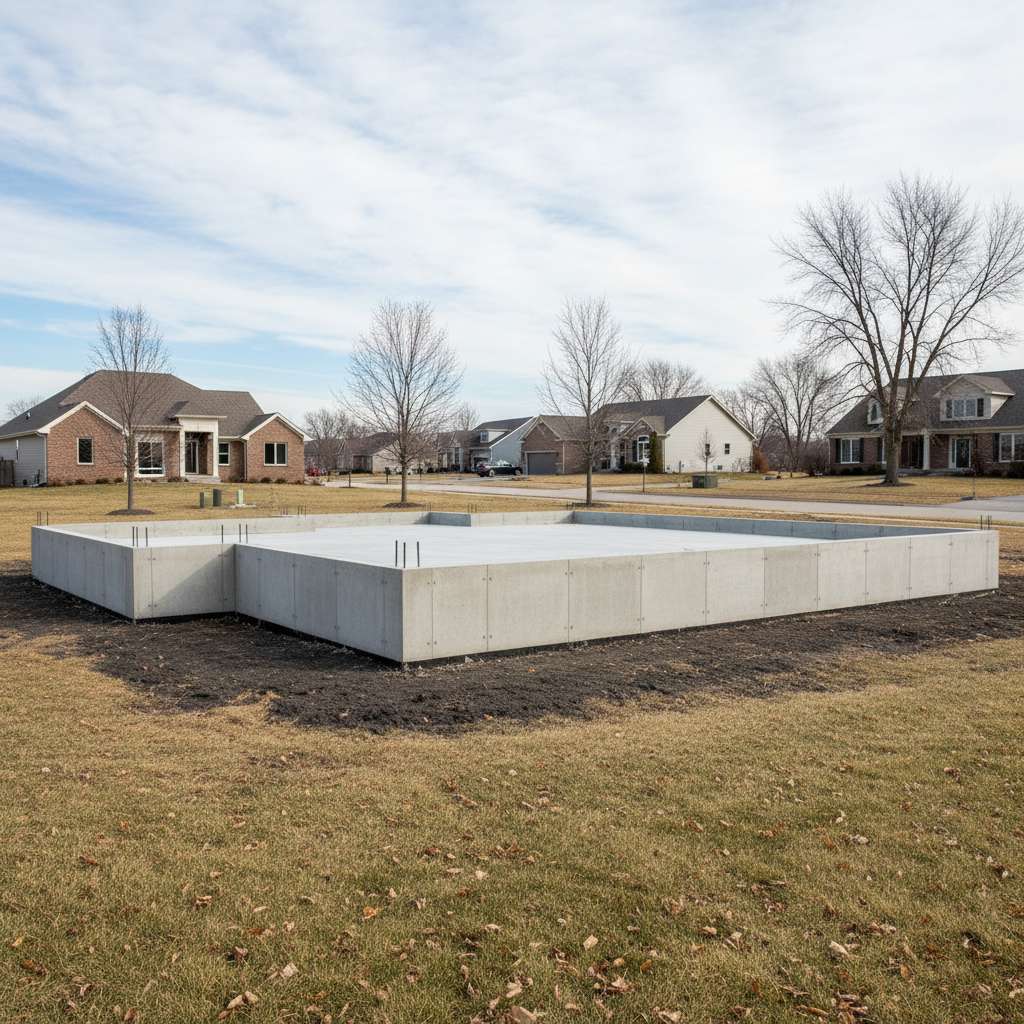
When you are planning a new build, or an addition, or even just a big renovation here in Elgin, the foundation is everything. It is not just some concrete slab or basement walls. It is the base that holds your whole structure steady against all of the Illinois weather and local soil we have here. And trust me, our local conditions in Elgin really do ask a lot from a foundation.
Elgin's Tricky Soil and Weather: A Foundation's Worst Nightmare (or Best Friend)
Anyone who has lived here in Elgin for a while knows that our weather goes from one extreme to the other. We have hot, humid summers and then freezing, snowy winters. These constant temperature changes cause what we call freeze-thaw cycles. When water in the soil freezes, it expands and pushes against foundations. When it thaws, it shrinks back, and this leaves empty spaces. This movement, which we call frost heave, can be a real problem for foundations that are not built well, and it can lead to cracks and uneven settling over time in Elgin homes.
Then there is our soil here in Elgin. A lot of Kane County, and this includes Elgin, sits on glacial till. This is a dense, clay-heavy soil that was left behind by glaciers many thousands of years ago. Now, clay soil has a personality. It really likes water. When it gets wet, it soaks up a lot of moisture and it expands. When it dries out, it shrinks and pulls away from your foundation. This constant expansion and contraction puts a lot of pressure on foundation walls, and it can cause them to bow, or crack, or settle unevenly. You will see this a lot in older homes, for example, in the Bluff City neighborhood here in Elgin, where you might notice stair-step cracks in brick walls or doors that do not quite close right.
And we should not forget the Fox River here in Elgin. Properties that are closer to the river, like those around Villa Street and Summit Street, can deal with an elevated water table. This means even more hydrostatic pressure pushing up against basement floors and walls, especially during the spring snowmelt and during heavy rains in Elgin.
Common Foundation Types in Our Elgin Area
Because of these challenges in Elgin, what kind of foundations do we usually see and build around here?
- Full Basements: These are very common, especially in older homes and in many new constructions in Elgin. They give you extra living space or storage space, and that is always a good thing. But they need to be built correctly to handle that hydrostatic pressure and the expansive clay soil here in Elgin.
- Crawl Spaces: You will find these too, especially in some of the older homes on Elgin's east side. They give you access for utilities but they can be prone to moisture issues if they are not properly sealed up and dehumidified.
- Slab-on-Grade: While these have been more common in warmer places, frost-protected slab foundations are becoming more possible here in Elgin, especially with modern techniques and materials. They can be cost-effective and they are good for resisting termites.
- Insulated Concrete Forms (ICF): These are becoming more popular because they are energy efficient and durable, and this is a big win with our varied Elgin weather.
Why Local Expertise Is Important for Elgin Concrete Work
You might think that concrete is just concrete, no matter where you pour it. But that is just not the case, especially with foundations. Here is why having a local contractor like Elgin Concrete Works on your side makes a real difference for your Elgin property:
- Understanding Local Soil: We have worked on enough projects across Elgin to know that soil conditions can change a lot even within just a few blocks. We know to look for that glacial till clay and how to make its effects less of a problem with proper compaction, and reinforcement, and drainage solutions for your Elgin foundation.
- Navigating Building Codes: The City of Elgin has specific building codes, like adopting the 2021 International Residential Code with local changes. There are also requirements for things like frost line depth – your foundation needs to go deep enough, which is typically 42 inches in the Chicago area, to get below that frost line and make shifting less likely. We are up-to-date on all these regulations for Elgin, and this makes sure your project is compliant and avoids costly delays or fines.
- Dealing with Water: We know the specific challenges of water getting into homes in Elgin, whether it is hydrostatic pressure from the Fox River or just heavy spring rains soaking the clay soil. We will recommend and put in the right drainage solutions to protect your investment in Elgin.
- Permitting Process: Getting a building permit in Elgin involves specific steps and paperwork, and this includes site plans and following zoning rules. We have been through this process many times and we can guide you through it smoothly for your Elgin project.
Whether you are building a new home in a developing area of Elgin, or adding an extension to a charming Victorian in the Spring Street Historic District, or putting in a new garage, your foundation needs to be built to last. It is not just about meeting code. It is about building something that will stand strong for many generations. We take pride in helping our neighbors build their dreams right here in Elgin, from the ground up.