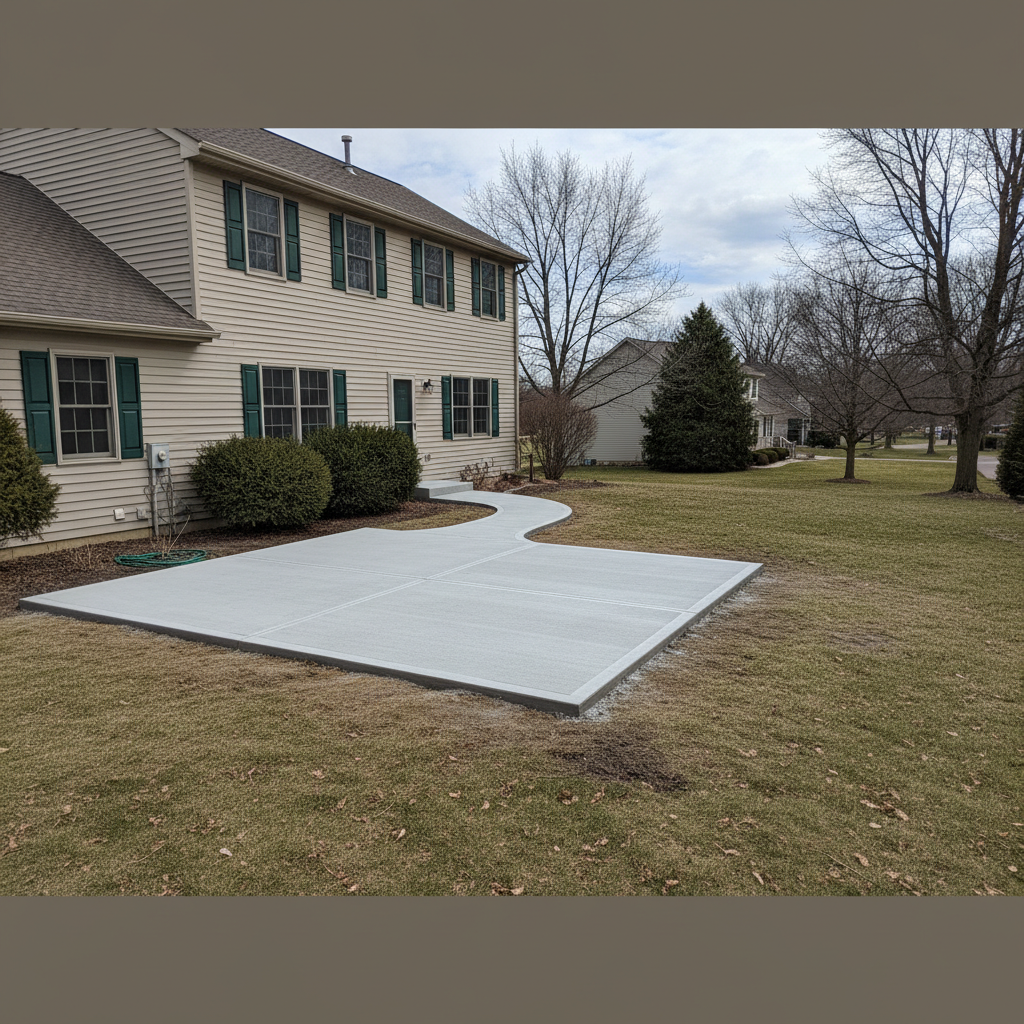
You're probably wondering when the best time is to pour new concrete around your place, or maybe how to keep what you've got from cracking up. It's a fair question, especially with our wild weather here in Elgin. I've been doing this long enough to see what works and what doesn't, and a lot of it comes down to understanding how our local climate impacts concrete.
When's the Best Time to Pour New Concrete?
Honestly, the sweet spot for pouring concrete in our area is usually spring and fall. You want consistent temperatures, ideally between 50 and 80 degrees Fahrenheit, and not too much rain. Why? Because concrete cures, it doesn't just dry. It's a chemical reaction, and temperature plays a huge role in how strong and durable that reaction makes your slab.
- Spring (April to June): This is prime time. The ground has thawed, temperatures are rising but not scorching, and there's usually enough moisture in the air to help with a slow, steady cure. You avoid the extreme heat that can cause concrete to set too fast and crack, and you're ahead of the heavy summer storms.
- Summer (July to August): We can pour in summer, but it's trickier. The heat makes the water in the mix evaporate quickly, which can lead to rapid drying and a weaker surface if not managed carefully. We have to take extra precautions, like misting the concrete or using curing compounds, to slow that process down. Plus, those pop-up thunderstorms can be a real pain. If a big rain hits fresh concrete, it can ruin the surface.
- Fall (September to October): Another excellent window. The ground is still warm from summer, and the air temperatures are cooling down. You get that nice, gradual cure again. The main thing to watch out for is an early freeze. If temperatures drop below freezing too soon after a pour, it can severely damage the concrete's strength.
- Winter (November to March): We generally don't pour concrete in winter here in Elgin. The ground is frozen, and the cold temperatures prevent the concrete from curing properly. It's just not worth the risk of a compromised slab. You'd be paying good money for something that won't last.
So, if you're planning a new driveway or patio, try to think ahead and schedule it for spring or fall. It really does make a difference in the finished product's longevity.
Weather Conditions That Affect Concrete Work
It's not just the temperature range; other weather factors come into play too. You've seen how quickly the weather can change around here, especially if you live in one of those older neighborhoods near the Fox River where the humidity can really hang in the air.
- Rain: Freshly poured concrete and heavy rain don't mix. It can wash away the cement paste, weaken the surface, and leave it pitted or uneven. We always keep a close eye on the forecast and will reschedule if there's a high chance of significant rain. Light drizzle might be manageable, but anything more is a no-go.
- Wind: High winds can dry out the surface of the concrete too quickly, especially on hot days. This rapid surface drying can lead to plastic shrinkage cracks even before the concrete has fully set. We use windbreaks or apply curing compounds to combat this.
- Humidity: Believe it or not, humidity can be a good thing for curing concrete because it slows down evaporation. But too much humidity combined with cooler temps means a longer set time, which can delay finishing.
- Ground Conditions: This isn't strictly weather, but it's related. If the ground is saturated from heavy rains, it can make site prep difficult and affect the stability of the base under your concrete. Good drainage and a solid, well-compacted base are crucial.
Protecting Your Concrete Investment Year-Round
Once your concrete is in, you want it to last, right? Here's how to keep it looking good and performing well through all four seasons here in Illinois.
Seal It Up
This is probably the most important thing you can do. Sealing your concrete every few years acts like a shield. It protects against moisture penetration, which is key to preventing freeze-thaw damage. When water gets into the pores of the concrete and then freezes, it expands, creating pressure that can cause spalling (flaking) and cracking. A good sealer repels that water.
Be Careful with De-Icers
I know you want to keep your walkways clear in winter, but be really careful what you put down. Many de-icing salts, especially those containing ammonium nitrate or ammonium sulfate, are highly corrosive to concrete. They can cause significant damage. Stick to products that are labeled as concrete-safe, like calcium chloride or potassium chloride, and use them sparingly. Better yet, shovel early and often, or use sand for traction.
Clean Regularly
Don't let dirt, leaves, or other debris sit on your concrete for long periods. They can trap moisture and promote staining or even moss growth. A simple sweep and occasional rinse with a hose can go a long way. For tougher stains, use a concrete-safe cleaner and a stiff brush.
Address Cracks Early
Even with the best practices, concrete can sometimes develop small cracks. It's not always a structural issue, but it's important to address them. Small cracks can let water in, leading to bigger problems down the line. We can often fill these with a flexible sealant to prevent further damage. Don't let a small hairline crack turn into a major repair.
Taking care of your concrete isn't rocket science, but it does require a little attention, especially with our crazy Elgin weather. If you've got questions about your existing concrete or are thinking about a new project, give us a call at Elgin Concrete Works. We're happy to talk through your options and make sure you get a durable, long-lasting product.