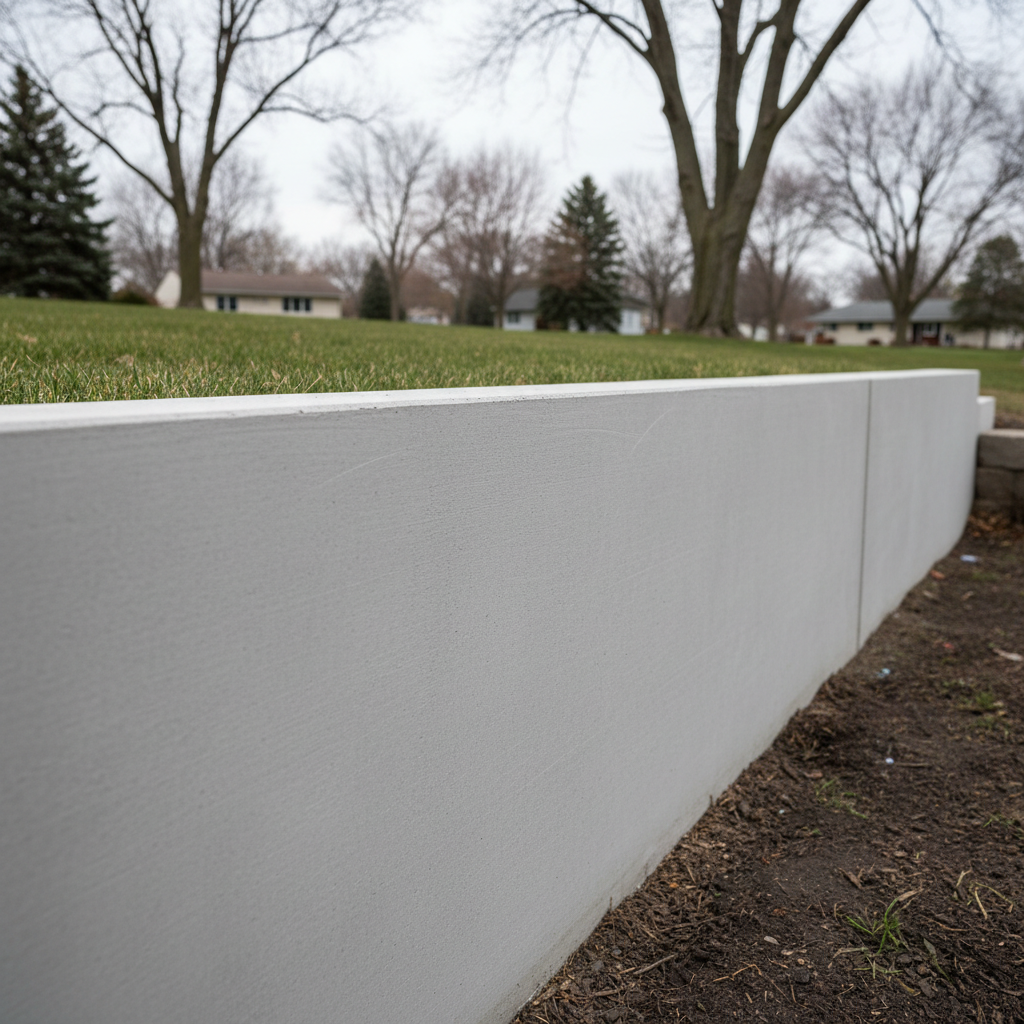
Do I even need a retaining wall? What's the point?
Good question. A lot of folks think retaining walls are just for looks, but really, they're about function first. Especially here in Elgin, where the land can really vary. If your yard has a slope that's eroding away, or maybe you need a flat spot for a patio, a garden, or even a driveway, that's where a retaining wall steps in. It holds back soil, stops erosion, and can turn a sloped, unusable area into something both practical and nice to look at. We've put in plenty of these walls around older homes near the Fox River, where properties often drop off pretty fast, or in newer neighborhoods where they've had to cut into hillsides.
What's the difference between concrete block and poured concrete walls?
This is a big one, and it's about more than just how they look. Concrete block walls, often called segmental retaining walls (SRWs), are made from interlocking concrete pieces. They're usually dry-stacked, meaning no mortar, and they rely on their own weight and that interlocking system to hold the soil. They're pretty flexible, come in different colors and textures, and we can install them quicker for smaller jobs. Poured concrete walls, on the other hand, are exactly what they sound like: liquid concrete poured into forms right there on your property. These typically have rebar inside, making them incredibly strong and long-lasting. For taller walls, or walls that need to hold back a lot of pressure, poured concrete is often the way to go. They give you a smooth, continuous look and you can customize them with different finishes. Both types have their place, but for serious structural needs, especially with our clay-heavy soil around here, I usually lean towards reinforced poured concrete.
How long do these walls actually last?
When you build one right, a concrete retaining wall is a long-term investment. We're talking decades, easily 50 to 100 years for a properly engineered and installed poured concrete wall. Block walls can last a good 30-50 years, sometimes even more, depending on the quality of the blocks, how well they were installed, and if they're maintained. The main thing is good drainage behind the wall, proper compaction of the backfill, and a solid foundation. If you cut corners on any of those steps, you'll see problems much, much sooner. It's not just about the concrete itself; it's about the whole system working together.
What about drainage? Is that really important?
Absolutely critical. I really can't stress this enough. Water is the enemy of any retaining wall. If water builds up behind the wall, it creates hydrostatic pressure that can push the wall over, crack it, or make it lean. Every good retaining wall needs a solid drainage system. This usually involves:
- A layer of gravel or crushed stone right behind the wall, letting water filter through.
- A perforated drain pipe (often called a 'French drain') laid at the base of the wall, inside that gravel layer, to collect the water.
- The drain pipe needs a slope to carry water away from the wall, typically to an open area or a storm drain.
- Sometimes, we'll also use a geotextile fabric between the soil and the gravel to keep soil particles from clogging the drain.
Will I need a permit for a retaining wall in Elgin?
Most likely, yes. In Elgin, any retaining wall over a certain height — usually 4 feet — almost always requires a building permit. Even walls under 4 feet might need one if they're supporting another structure or are close to a property line. The city wants to make sure it's designed and built safely, especially since a failing wall can be a serious hazard. You'll typically need engineered drawings, a site plan, and sometimes even soil reports. Don't try to skip this step; it's for your safety and to avoid potential headaches down the road with the city or your neighbors. We can definitely help you through the permit process.
Can I build a retaining wall myself?
For a small, decorative garden wall that's maybe a foot or two high and isn't holding back much soil, sure, some handy homeowners might tackle it. But for anything structural, anything over a couple of feet, or anything that's crucial for stopping erosion or leveling a significant area, you really need a professional. There's a lot of engineering involved: figuring out soil pressure, making sure drainage is correct, getting the foundation right, and complying with local codes. A DIY retaining wall that fails isn't just an eyesore; it can cause property damage, create safety risks, and be incredibly expensive to fix properly after the fact. It's one of those projects where the cost of doing it wrong far outweighs the cost of hiring someone who knows what they're doing.
How much does a concrete retaining wall cost?
This is probably the most common question, and it's also the hardest to give a simple answer to, since there are so many variables. It depends on:
- Height and Length: Taller and longer walls obviously use more material and labor.
- Type of Wall: Poured concrete is generally more expensive per square foot than block walls because of the forming, rebar, and specialized pouring process.
- Site Access: If we can't easily get equipment in, that adds to labor costs.
- Soil Conditions: Bad soil might mean more extensive digging or a deeper, stronger foundation.
- Drainage Requirements: More complex drainage systems add to the cost.
- Finish: Basic gray concrete is cheaper than a decorative stamped or colored finish.
What kind of maintenance do they need?
One of the best things about concrete retaining walls is how little upkeep they require once they're built correctly. For poured concrete, you might want to power wash it every now and then to keep it clean. If you notice any cracks showing up, especially large or spreading ones, get them checked out. For block walls, sometimes individual blocks can shift a bit over time, or efflorescence (that white powdery stuff) can appear, which you can usually clean off. The most important thing for both types is to keep the drainage system clear. Make sure the drain outlets aren't blocked by leaves or other debris. Also, try not to plant big trees or shrubs too close to the wall; their roots could eventually mess with its integrity. Beyond that, they're pretty hands-off, wouldn't you say?