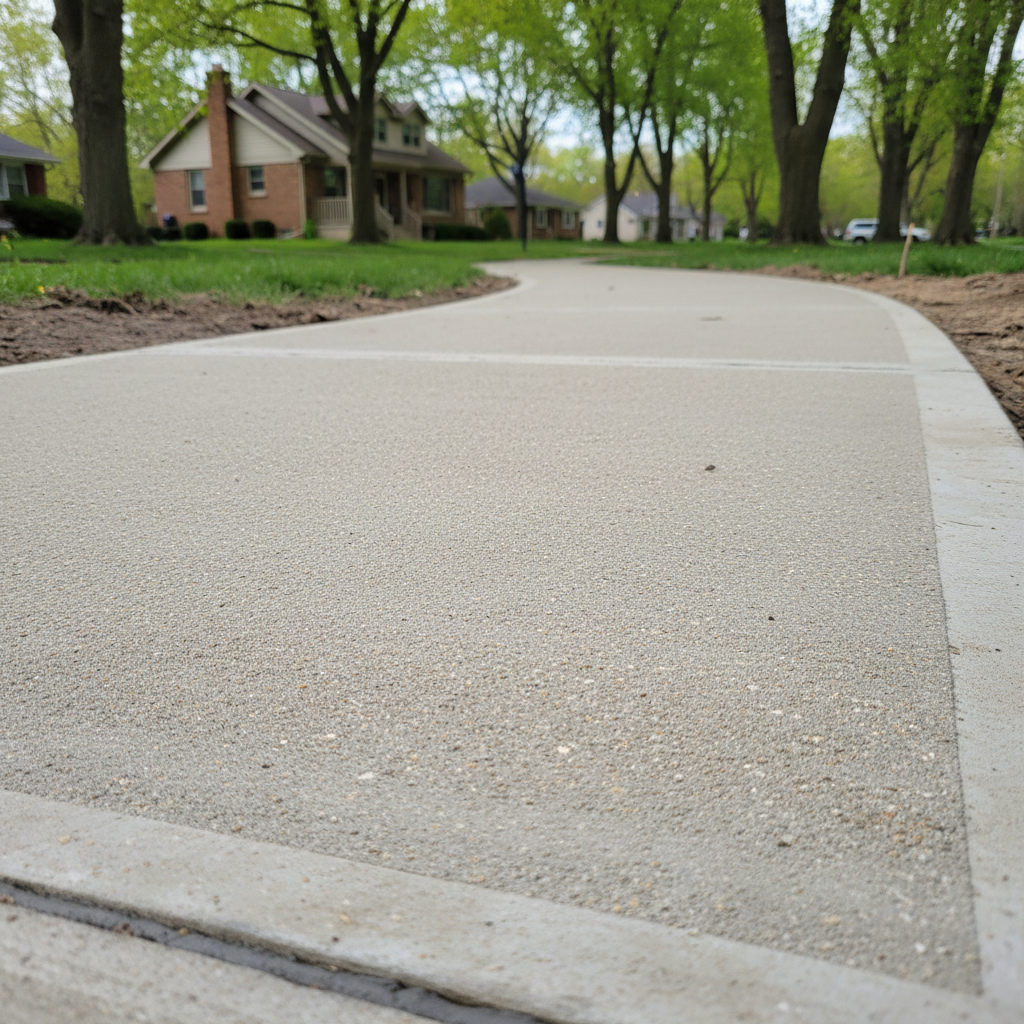
So, you're looking at your sidewalk, right? Maybe it's cracked, all uneven, or you just don't have one where you really need it. A new concrete sidewalk can seriously boost your home's curb appeal and make things a lot more functional. But before you grab a shovel or even think about calling a contractor, let's chat about what's actually involved and what you should know.
Before You Start: Planning & Permits
First things first, you can't just start tearing up old concrete or pouring new stuff without checking with the City of Elgin. Seriously, don't even try. You'll definitely need to look into permits, especially if your sidewalk connects to the public right-of-way or if you're doing any big digging. This isn't just annoying bureaucracy; it's about making sure everything's done safely and meets the local codes. Believe me, you don't want to get halfway through a project only to find out you have to rip it all out because you missed a step with the city.
Next, give some thought to the design. How wide does it really need to be? Where will it go? What about the slope? You want proper drainage heading away from your house, not right towards it. Consider how much traffic it'll see – is it just for people walking, or will you be rolling heavy garbage cans over it, perhaps? This makes a difference in the thickness and reinforcement you'll need. For most residential sidewalks, 4 inches of concrete is pretty standard, but if vehicles are going to drive on it, you're looking at 6 inches or more, often with rebar or wire mesh for extra strength.
DIY vs. Professional: Knowing Your Limits
Alright, let's be honest. Can you pour your own concrete sidewalk? For a small, simple path – say, a short walkway to a shed or a little pad – maybe. If you're handy, have the right tools, and are willing to put in some serious sweat equity, it's possible. You'd need to handle excavation, forming, ordering concrete, pouring, leveling, and finishing. It's a ton of work, and concrete waits for no one. Once it's mixed, that clock starts ticking.
Here's where I've seen homeowners really get into trouble: the subgrade. If you don't prepare a solid, well-compacted base, your beautiful new sidewalk is going to crack and settle in no time. We see this a lot in older Elgin neighborhoods, like those around the Bluff City Cemetery, where the soil can be pretty clay-heavy. Proper compaction and a good gravel base are absolutely crucial. Also, getting the right slope for drainage is way harder than it looks. If you're dealing with anything more than a perfectly flat, short stretch, or if it's a main walkway to your front door, I'd strongly suggest calling in a pro.
When you hire someone like Elgin Concrete Works, you're not just paying for labor; you're paying for real expertise in:
- Proper excavation and preparing the subgrade
- Accurate form setting and grading for good drainage
- Knowing the right concrete mix for our Illinois climate
- Efficient pouring and professional finishing techniques
- Placing expansion and control joints to stop cracking
These are all things that, if not done right, will lead to problems down the road – literally, I mean.
During the Project: What to Expect
If you've decided to go with a professional, here’s what you can expect. We’ll start by clearing the area and digging down to the correct depth. Then, we’ll lay down and compact a gravel base. Forms will be set precisely to define the sidewalk’s edges and height. Rebar or wire mesh will be placed if needed. Then comes the pour. Concrete trucks are big, and the whole process moves fast. We’ll pour, level, and then finish the surface to your desired texture (a broom finish is common for good traction). We’ll also cut in control joints to manage where the concrete cracks naturally.
If you’re DIYing, you’ll be doing all of this yourself. Renting a concrete mixer for small batches is an option, but for anything substantial, you’ll need to order ready-mix concrete, which comes in a truck. Make sure you have enough help, because once that truck arrives, you’ve got to work fast.
After the Pour: Curing & Care
Once the concrete is poured and finished, the most important thing you can do is let it cure properly. This isn't just about letting it dry; it's a chemical process that actually strengthens the concrete. Keep traffic off it for at least 24-48 hours, and ideally, don't put heavy weight on it for a whole week. We often recommend keeping it moist for the first few days by lightly misting it or covering it with plastic sheeting. This slows down the drying process, which leads to stronger concrete and fewer surface cracks.
Don't let anyone drive on it for at least seven days, and even then, be cautious. Full strength isn't reached for about 28 days. In the long term, keep it clean, sweep off debris, and be mindful of de-icing salts in winter. While concrete is tough, those salts can cause surface damage over time. A good sealer applied periodically can help protect it. A new concrete sidewalk is a great investment in your home. Whether you tackle a small project yourself or bring in the pros for a bigger job, knowing these steps will help ensure you get a durable, good-looking result that lasts for years.